The garden is full of ripe vegetables, and the fruit is gleaming in the baskets. It’s time to gather everything and preserve it for the winter. There’s nothing better than enjoying what I’ve preserved myself in late summer during the cold months. I’ve put together a few tasty and simple examples for you to get started with.
1. How to Make Classic Pickles
Pickles are perhaps the best-known example of pickled vegetables. Choose small, firm pickles and wash them thoroughly. If desired, let them soak in salt water for a few hours to make them extra crisp.
Basic recipe for sweet-and-sour pickles:
– 1 L plain vinegar
– 500 ml water
– 100 g sugar
– 3 tbsp mustard seeds
– 2 tbsp dill seeds
– 1 bay leaf
– garlic and fresh dill to taste
Bring the ingredients to a boil, pour the mixture over the cleaned gherkins in sterilized jars, and seal tightly. Let them steep for at least two weeks before using.
–
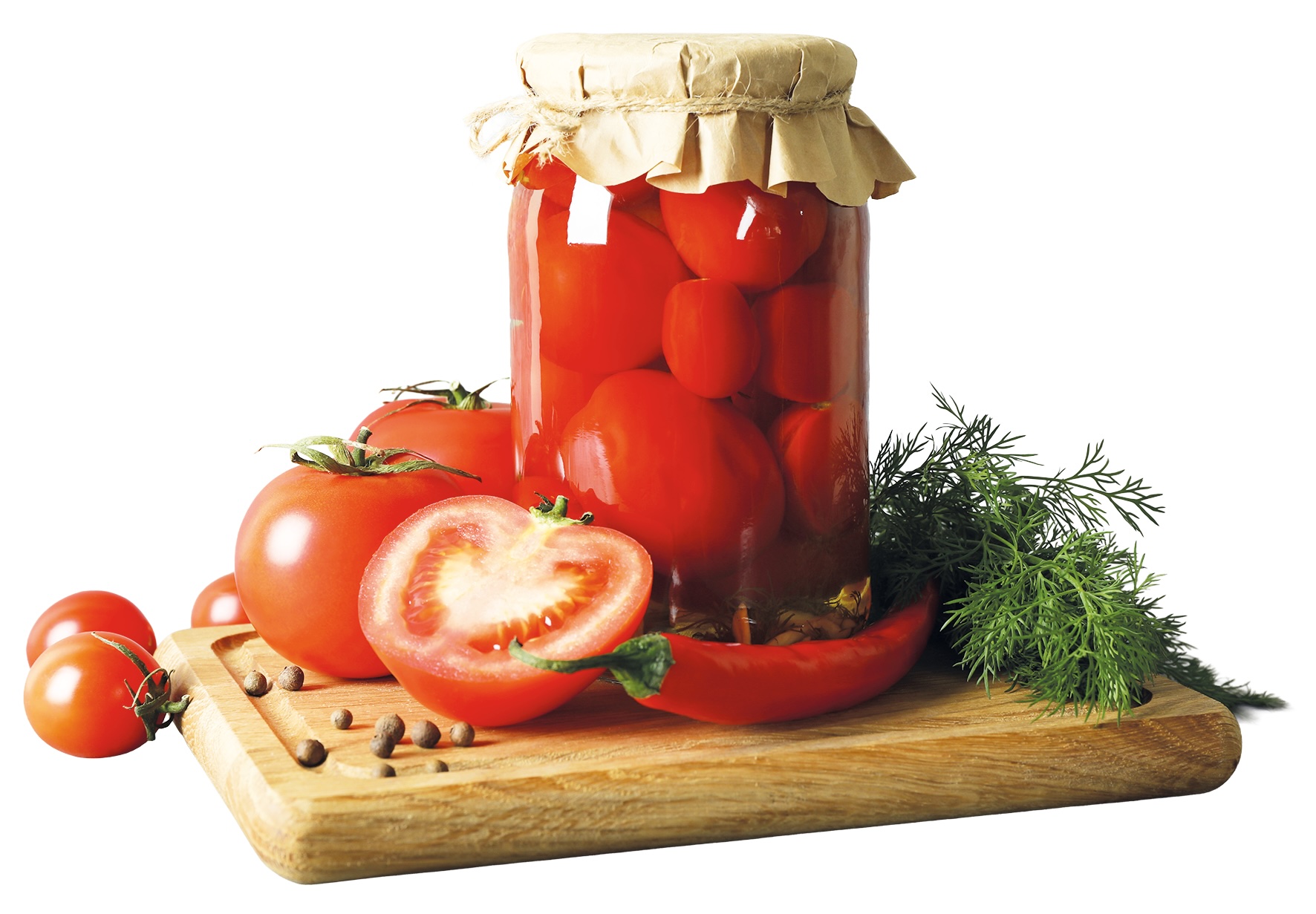
2. Tomatoes dry or pickle
Tomatoes are perfectly suited for a range of different preserving methods. Dry: Halve some cherry tomatoes, sprinkle them with salt and herbs and dry them slowly in the oven (around 6 hours at 80 to 100 °C) or in a drying machine. Keep them in a jar of olive oil with garlic and rosemary.
Store in the form of passata or sauce:
Remove the skins, boil to make a sauce and pour into sterilised jars or bottles. Perfect for warming pasta dishes in the winter months.
Always sterilise your jars before filling them, and label them with the contents and date.
–
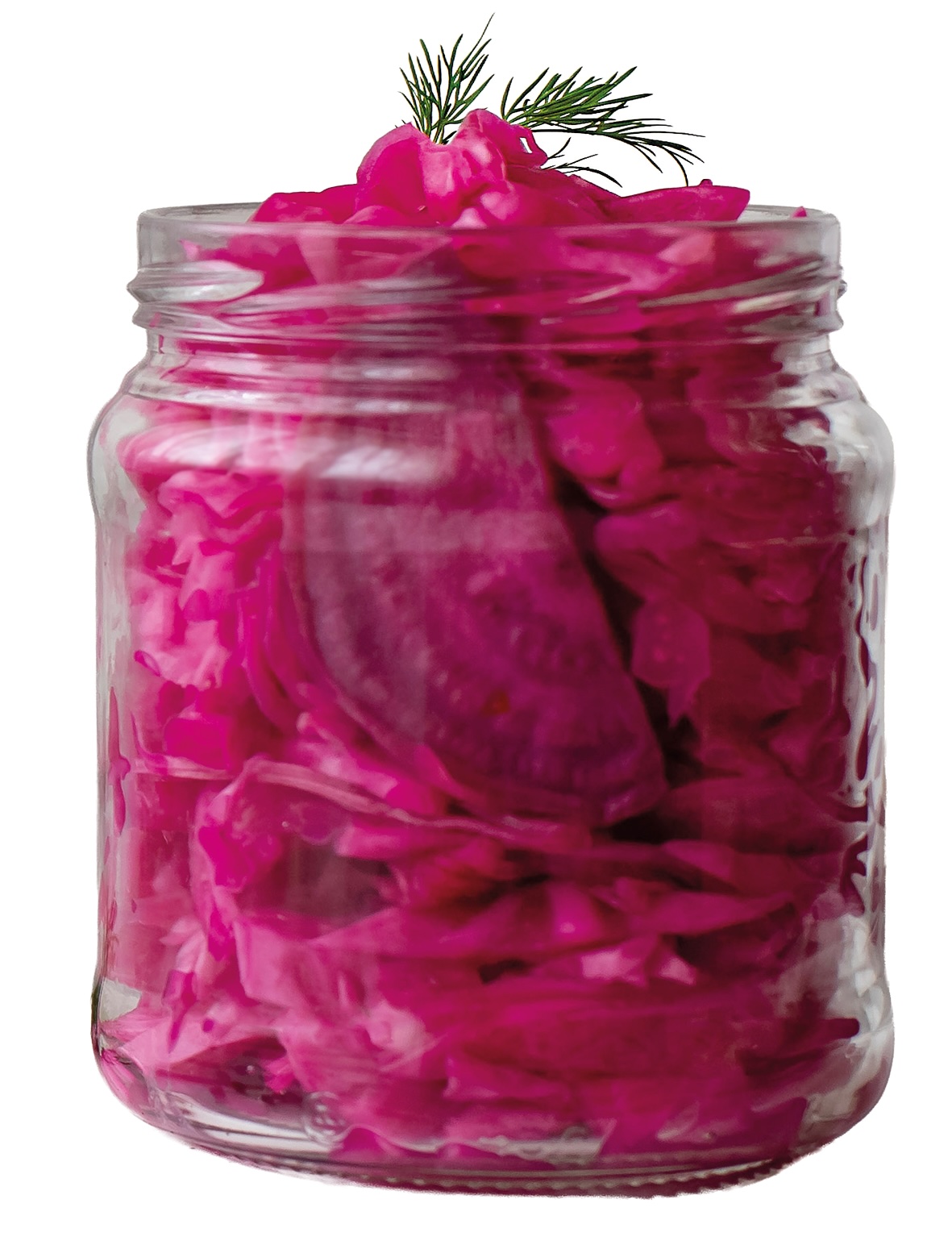
3. Beetroot pickle or ferment
Pickle: Beetroot is winter hardy, but it can be picked for convenience too. Boil the beetroots, peel them and cut them in slices. Make a tangy marinade from vinegar, sugar, cloves and a bay leaf.
Ferment: Grate the raw beetroot and mix it with salt in a jar, a bit like a kind of beetroot kimchi.
–
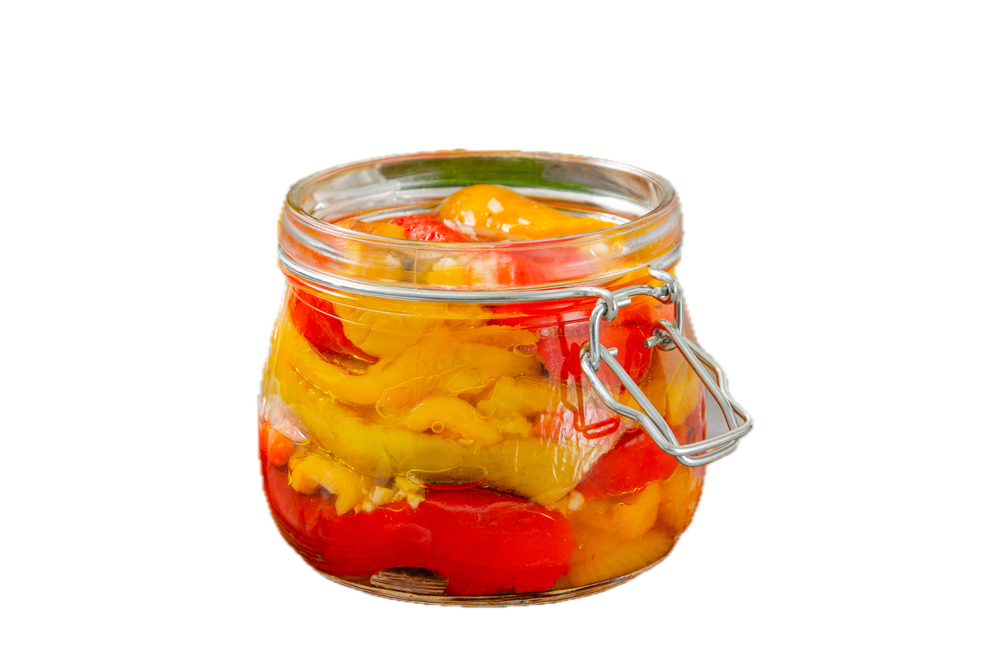
4. Peppers roast and pickle
Yellow, red and green peppers are all perfect for preserving.
Roast: Cook in the oven until the skin turns black. Allow to cool in a sealed container, peel off the skin and remove the seeds.
Pickle: Store in pieces in olive oil with garlic or in a mild, tangy vinegar marinade.
–
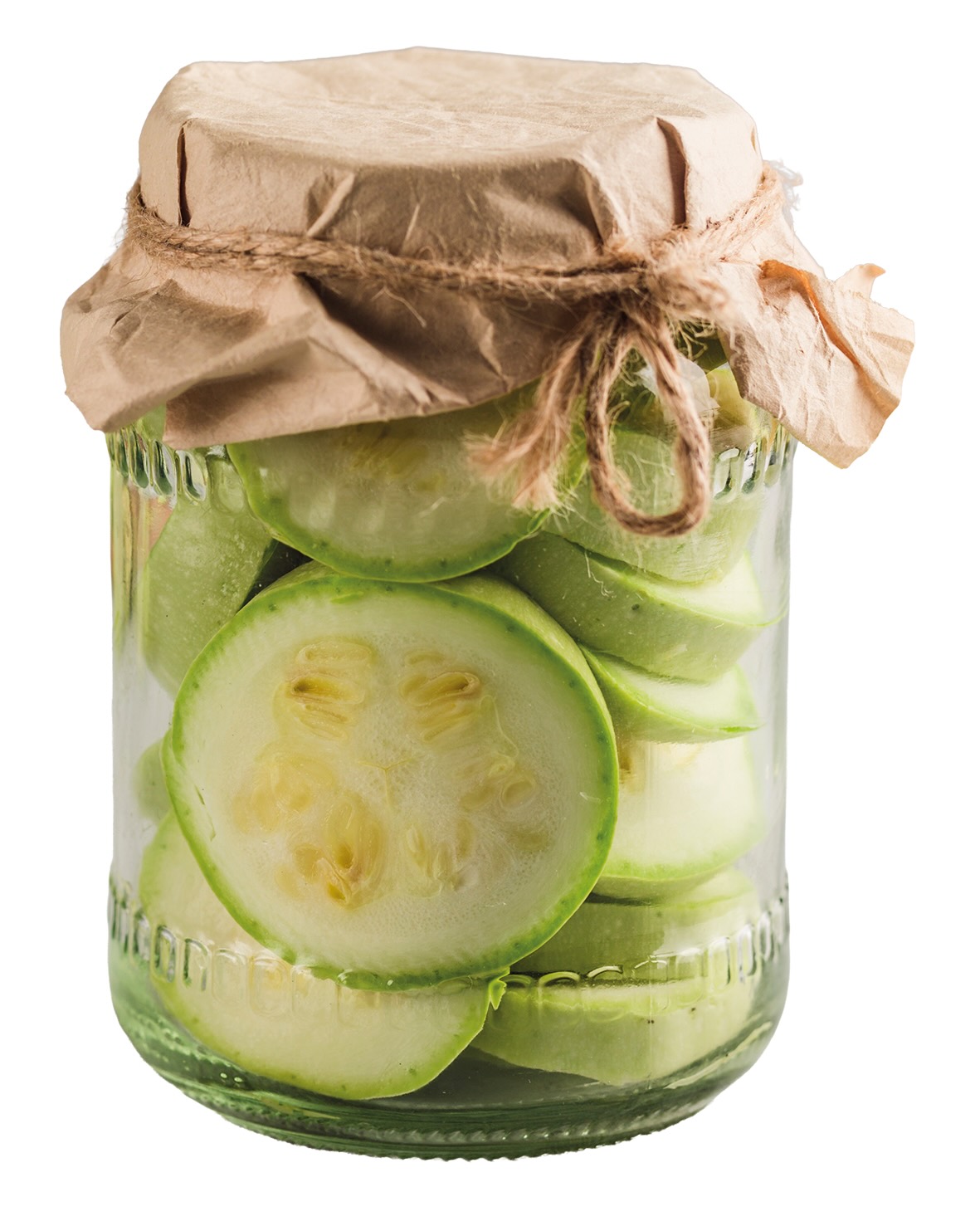
5. Courgettes pickle or freeze
Courgettes have a high water content, so they’re not really suitable for drying.
Pickle: Blanch briefly and pickle in vinegar with garlic, thyme and mustard seed.
Freeze: Cut in slices, blanch and freeze. Perfect for soups and stews.
–
6. Herbs dry hanging up or in the oven
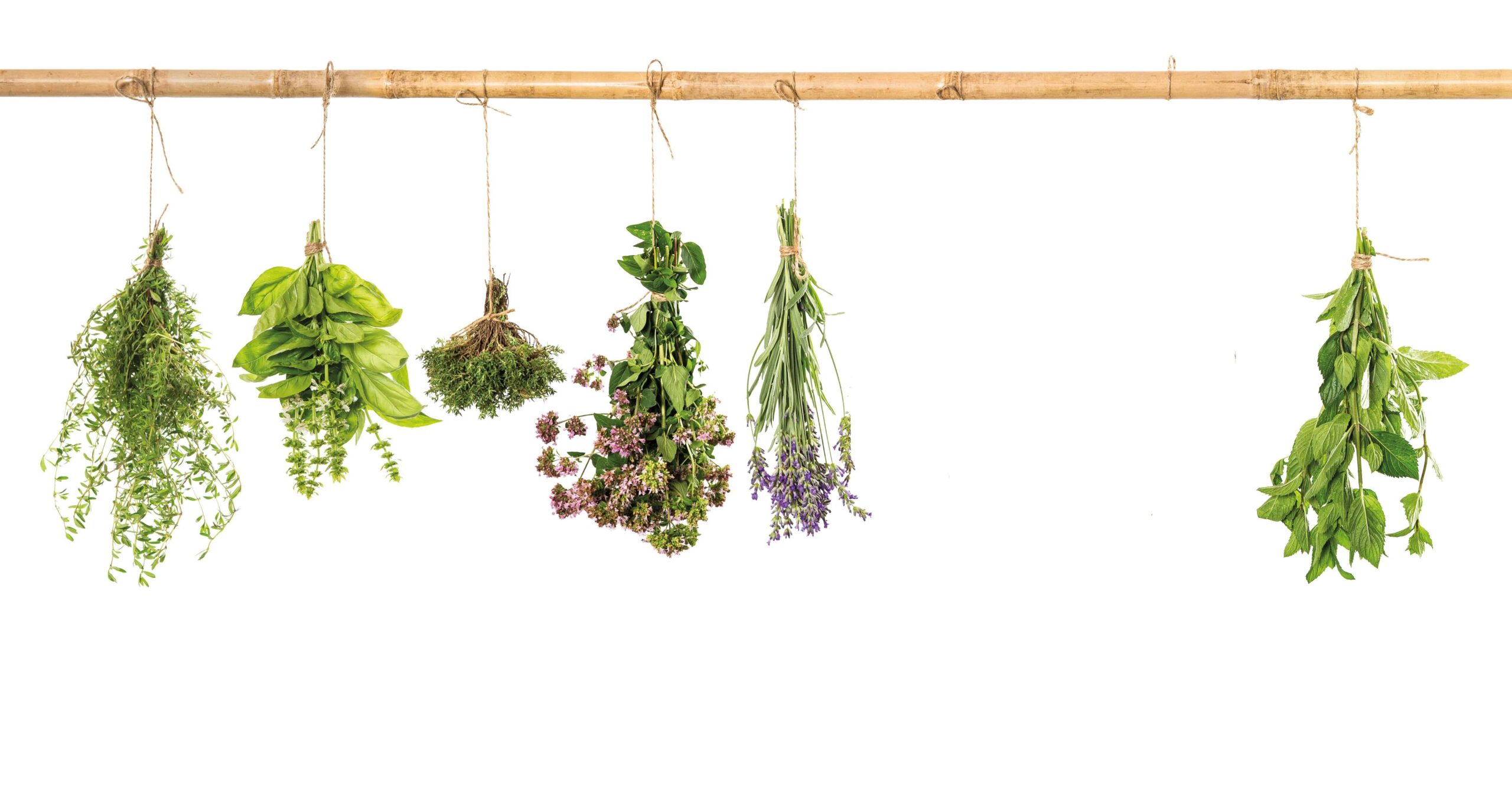
Dry hanging up: Fresh herbs like thyme, oregano, rosemary, sage, mint and parsley are easy to dry. Tie them in little bunches and hang them upside- down in a warm, dark, dry place.
Dry in the oven: Dry them in the oven at 40–50 °C, with the door ajar. Store in airtight jars in a dark place. That way you can keep enjoying your own homegrown seasoning all winter.
7.White aubergines preserve the Italian way
White aubergines are less bitter than the purple ones and have a mild flavour. Cut them in thin slices, sprinkle with salt and leave to drain for an hour. Rinse and blanch briefly.
Preserve the Italian way: Marinate in a mixture of white wine vinegar, garlic, oregano, chilli and olive oil. Keep in jars with enough oil to completely cover the aubergine.
Store everything in a cool, dark place and always check for spoiling before use.